
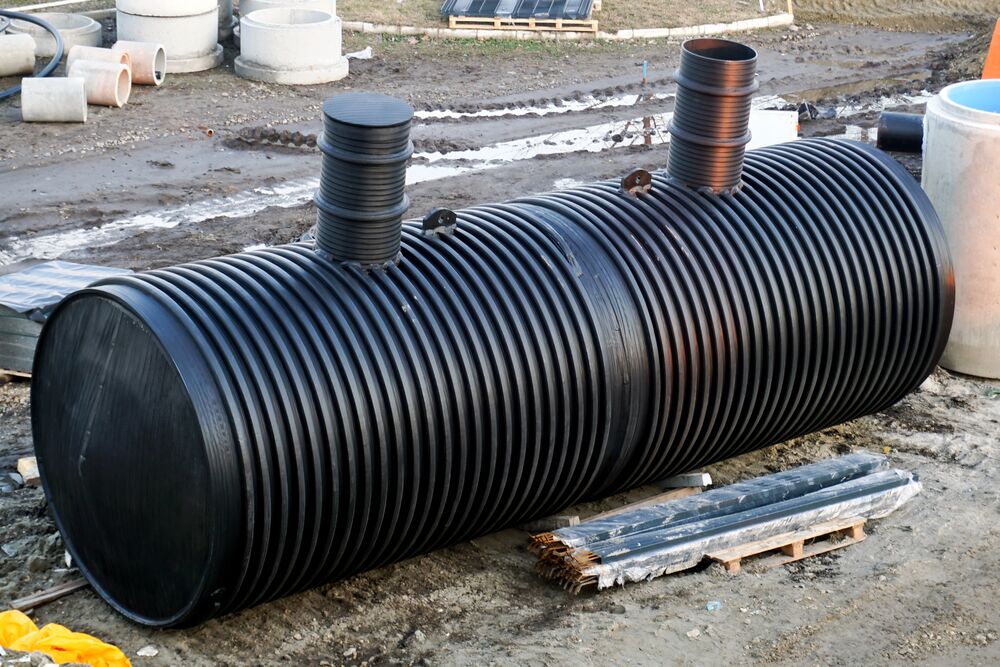
Managing wastewater effectively is crucial for businesses in Chatham County, where commercial septic systems play a vital role in maintaining hygiene and environmental standards. This article delves into the essential aspects of commercial septic system services, including maintenance schedules, signs of system failure, contractor information, regulatory compliance, and cost considerations. Understanding these elements can help business owners make informed decisions about their wastewater management needs. We will explore how often septic tanks should be pumped, the indicators of system failure, the importance of hiring licensed contractors, compliance requirements, and the costs associated with maintenance. By the end of this article, you will have a comprehensive understanding of commercial septic systems and how to ensure their optimal performance.
Regular pumping of commercial septic tanks is essential to prevent system failures and maintain efficient operation. The frequency of pumping depends on several factors, including the size of the tank, the number of users, and the type of business. Generally, it is recommended that commercial septic tanks be pumped every 3 to 5 years, but more frequent pumping may be necessary for high-usage establishments.
Different types of businesses have varying septic tank pumping needs. For instance, restaurants, due to high water usage and food waste, should consider pumping their septic tanks every 1 to 2 years. Standard office buildings typically require pumping every 3 to 5 years, depending on the number of employees. Retail establishments may also follow a 3 to 5-year schedule, but this can vary based on customer traffic and restroom usage. Regular maintenance is crucial to avoid costly repairs and ensure compliance with local regulations.
Identifying the signs of septic system failure early can save businesses from significant operational disruptions and environmental damage. Common symptoms include slow drains, foul odors, and wet spots in the yard.
If sinks and toilets are draining slowly, it may indicate a blockage or full tank. Unpleasant smells around the septic tank or drain field can signal a failure. Additionally, puddles or overly green areas in the yard may indicate a leak or overflow. Recognizing these signs early can help mitigate further damage and ensure timely repairs.
Septic system failures can have severe consequences for both the environment and business operations. Environmental impacts include contamination of groundwater and local water bodies, which can lead to public health concerns. Operationally, businesses may face shutdowns, fines, and costly repairs, making it essential to address any signs of failure promptly.
Hiring licensed contractors for septic system services is crucial for ensuring compliance with local regulations and receiving quality service. Licensed professionals have the necessary training and experience to handle complex septic system issues.
To verify a contractor’s licensing in Chatham County, business owners should check state licensing boards to confirm that the contractor is licensed through the Georgia Secretary of State’s website. They should also request references from previous clients to gauge the contractor’s reliability and quality of work. Additionally, it is important to review the contractor’s insurance to ensure they have liability coverage to protect against potential damages. These steps can help ensure that businesses hire qualified professionals for their septic system needs.
While specific contractor names are not provided, business owners can find top-rated septic system experts by checking local reviews and ratings on platforms like Google and Yelp. Look for contractors with positive feedback and a proven track record in the community.
Understanding the regulatory compliance requirements for commercial septic systems is essential for business owners to avoid penalties and ensure environmental protection. The Georgia Environmental Protection Division (EPD) sets forth guidelines that must be followed.
The EPD standards include several key requirements. All septic systems must be permitted before installation or modification. Regular inspections are required to ensure systems are functioning correctly and meeting health standards. Furthermore, businesses must maintain records of all maintenance and repairs performed on their septic systems. Compliance with these standards is crucial for the health and safety of the community.
To maintain compliance and avoid penalties, businesses should schedule regular inspections to ensure that septic systems are inspected at least once every three years. They should also keep detailed records documenting all maintenance activities and repairs to provide proof of compliance. Staying informed about any changes in local regulations regarding septic systems is equally important. By following these practices, businesses can ensure they remain compliant and avoid costly fines.
To ensure optimal performance, businesses should schedule maintenance based on their specific usage patterns. Regular pumping and inspections can prevent costly repairs and extend the lifespan of the septic system. It is advisable to consult with a licensed contractor to develop a tailored maintenance schedule that meets the unique needs of the business.
Company Name: Gray Septic Solutions
Address: Savannah, GA 31405
Phone: 912-661-4089
Business Hours:
Mon - Sun: 24/7