912-661-4089
<< View All Posts

Top Septic System Problems and How To Spot Them Early

Read time: 5 min.
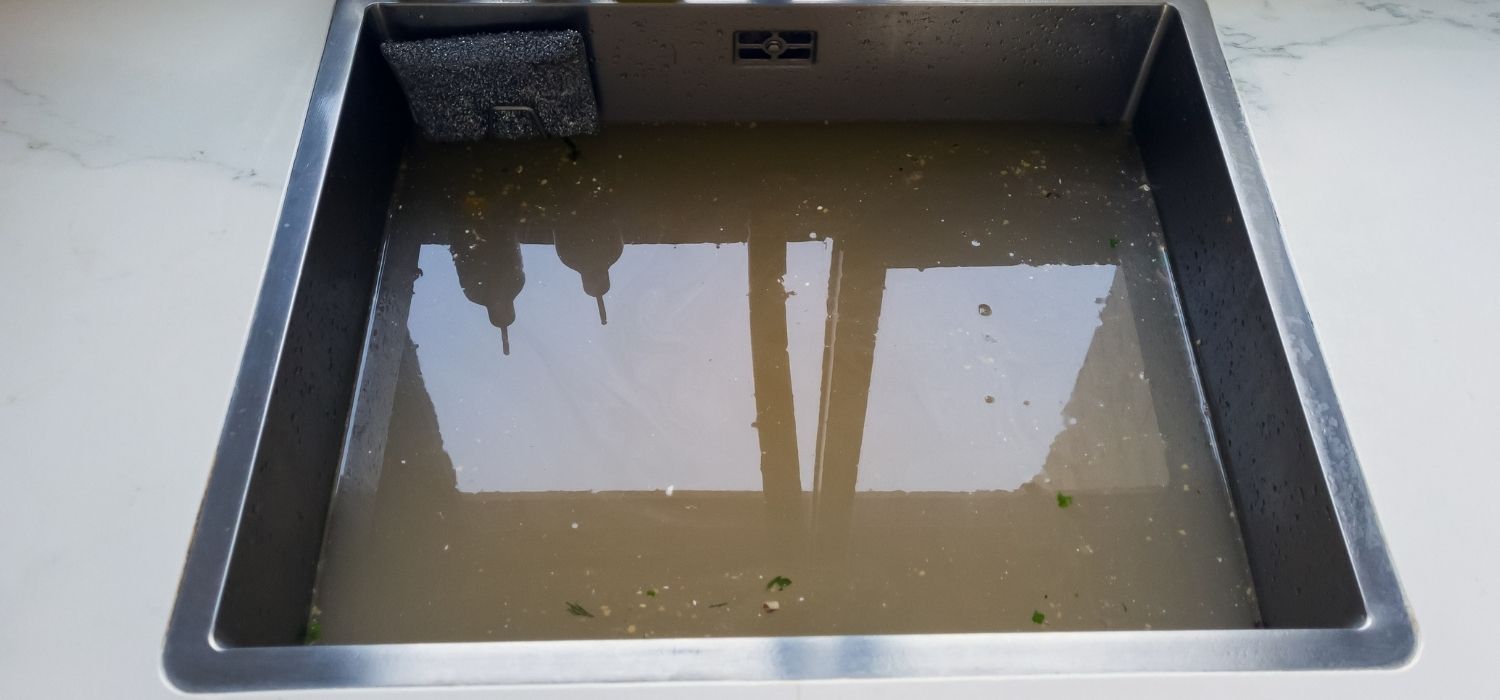
A stainless steel kitchen sink filled with murky, dirty water and food debris—one of the common septic system problems and warning signs indicating a possible drainage issue.

Your septic system handles your home’s wastewater quietly until something goes wrong. In Savannah, GA, and the surrounding areas, where city sewers aren’t always available, knowing the common septic system issues and their early warning signs helps you avoid messy, expensive septic tank repairs.

This guide walks through the typical septic problems we see, how to recognize them early, and what to do next. You’ll also learn how septic tank inspections, routine care, and quick action can help keep your system working reliably.

The Most Common Septic System Problems in Coastal Georgia

Coastal Georgia’s climate and soils create a few predictable challenges for septic systems. The most common problems you may face are septic tank overflow, drain field failure, and sewage backups. Catching these issues early—before they damage landscaping or your home’s plumbing—saves time and money.

Septic Tank Overflow Symptoms To Watch For

When a tank overflows, it usually shows up in the yard or your plumbing. Watch for these early symptoms:

  • Foul odors: Persistent sewage smells around the system or near vents.
  • Pooling water: Puddles or standing water near the tank or drain field that don’t go away.
  • Slow drains: Sinks, tubs, or toilets draining slowly—a sign the system may be struggling.

Spotting these signs early lets you call for service before the problem spreads.

How To Identify Drain Field Failure Signs Early

Drain field failure is costly and often preventable with early detection. Typical warning signs consist of:

  • Backups in plumbing: Frequent clogs or wastewater backing up into sinks and toilets.
  • Gurgling sounds: Strange noises from drains or toilets when other fixtures are used.
  • Soggy areas: Wet spots or unusually green, lush grass over the drain field, even in dry weather.

Addressing these signs quickly helps protect the drain field and avoid full replacements.

How To Recognize Early Warning Signs of Septic System Failure

Being observant is the easiest way to prevent major septic failures. Regularly check your yard and household drains so you catch small problems before they become emergencies.

What a Sewage Smell in the Septic System Indicates

A sewage smell inside your house usually points to a system issue. Common causes include the following:

  • Clogs: Blocked pipes can force odors back through plumbing.
  • Tank overflows or leaks: A full or leaking tank can allow odors to escape into the home.

If you smell sewage, treat it as urgent. Odor often means a sanitary or mechanical problem that needs attention.

Why Are Slow Drains a Critical Septic System Symptom?

Slow drains are often an early, fixable warning. They can be caused by:

  • Clogged pipes: Hair, debris, or grease that slows flow.
  • Full septic tank or drain field issues: When the system can’t move wastewater fast enough, drains slow down.

Fixing slow drains early. Clearing clogs or pumping the tank prevents backups and bigger repairs.

What Gurgling Pipes Reveal About Your Septic System Health

Gurgling pipes are a noisy clue that something isn’t right. Typically, the sound means air or pressure is trapped in the system, which can be caused by:

  • Blockages: Clogs that change the flow and pressure in the pipes.
  • Septic tank or drain field issues: A struggling tank or a saturated drain field can cause gurgling when water moves through the system.

Noting when and where the gurgling happens helps diagnose the source.

How To Diagnose Gurgling Sounds in Septic Plumbing

Follow these steps to narrow down the cause:

  • Check vents: Make sure roof or plumbing vents aren’t blocked, which can create pressure problems.
  • Inspect fixtures: Check sinks, tubs, and toilets for slow drainage or backups.
  • Listen for patterns: Pay attention to whether gurgling occurs during heavy water use or randomly.

These checks help you decide whether it’s a do-it-yourself fix or time to call a pro.

Causes of Gurgling Pipes and How To Address Them

Common causes and immediate steps consist of the following:

  • Clogs: Clear blockages in household drains or main lines to restore flow.
  • Septic tank issues: If the tank is full, schedule a professional pumping to prevent backups.
  • Ventilation Problems: Remove obstructions from plumbing vents to allow air to move freely.

Fixing the underlying cause stops the gurgle and protects the system.

Why Regular Septic Tank Inspections Are Vital for Early Problem Detection

Routine inspections catch small problems before they become expensive ones. A technician can spot wear, blockages, and other warning signs that aren’t obvious to homeowners.

What To Expect During a Professional Septic Tank Inspection

An inspection typically includes the following:

  • Visual inspection: Checking the tank, lids, and drain field for visible issues.
  • Sludge measurement: Measuring scum and sludge levels to know when pumping is due.
  • System testing: Verifying that outlets, baffles, and plumbing are functioning correctly.

Knowing what the inspector will do helps you prepare and get the most from the visit.

How Early Inspection Prevents Costly Septic Emergencies

Early inspections save you money and headaches by:

  • Identifying issues early: You can fix small problems before they need major repairs.
  • Extending system life: Routine care helps your system run longer and more reliably.
  • Avoiding emergencies: Regular maintenance reduces the risk of surprises, such as backups or overflows.

Think of inspections as simple insurance for your septic system.

When To Contact Emergency Septic Services in Savannah, GA

Some signs mean you should call for immediate help. If you see any of the following, contact emergency septic services right away:

  • Severe backups: Multiple fixtures backing up at once.
  • Foul odors: Strong sewage smells inside or around your home.
  • Pooling water: Large, unexplained wet areas near the septic tank or drain field.

These issues can pose health risks and cause rapid property damage. Don’t wait to act.

Urgent Signs Requiring Immediate Septic Repair

Urgent warning signs include:

  • Sewage backups: Wastewater coming back through toilets, sinks, or floor drains.
  • Persistent slow drains: Drains that stay slow after basic troubleshooting.
  • Unpleasant odors: Strong, persistent sewage smells that don’t dissipate.

If you notice these, call a licensed septic system service without delay.

How To Prevent Septic System Problems Before They Start

Simple habits go a long way toward keeping your septic system healthy. Protect your system by sticking to a few basic practices:

  • Proper waste disposal: Don’t flush nonbiodegradable items or pour harsh chemicals down drains.
  • Regular maintenance: Schedule inspections and pumping on a routine basis.
  • Water conservation: Reduce unnecessary water use to avoid overloading the system.

These steps lower the chance of backups, extend system life, and reduce repair costs.

Maintenance Practices That Help Reduce Septic Tank Overflow Risks

Key maintenance actions include the following:

  • Avoiding harmful chemicals: Use septic-safe cleaners to protect the tank’s beneficial bacteria.
  • Monitoring water usage: Be mindful of heavy water use and spread loads out when possible.
  • Regular pumping: Plan to pump every three to five years, depending on household size and water use.

Following these practices helps prevent overflows and keeps your system balanced.

How Proper Water Usage Protects Your Drain Field

Protect your drain field by managing how much water enters the system at once. Helpful steps include the following:

  • Fixing leaks: Repair dripping faucets and running toilets promptly.
  • Limiting heavy loads: Avoid running multiple large appliances at once (e.g., dishwasher and washing machine).
  • Spreading out water use: Run appliances at different times instead of all at once.

These simple changes reduce saturation in the drain field and help the system properly treat wastewater.

Final Takeaways

Knowing the common septic problems and their early warning signs keeps your home and yard healthy. Watch for slow drains, odd odors, gurgling pipes, or soggy spots, and schedule inspections before small issues become big ones. Regular maintenance and smart water habits also extend your system’s life and prevent emergency repairs. If you need help, our local professionals are ready to inspect, pump, or repair your system and protect your property.

Table Of Contents

© 2026 
Gray Septic Solutions