Maintaining a healthy septic system is crucial for homeowners in Savannah, GA, where the unique environmental conditions can impact system performance. This article delves into the essential aspects of drain field and septic backup solutions, providing insights into maintenance, repair, and prevention strategies. Readers will learn how to identify warning signs of septic system failure, understand the costs associated with drain field repair, and explore effective prevention techniques. By addressing these topics, homeowners can protect their properties from costly damages and ensure their septic systems function optimally.
The following sections will cover key signs of septic system failure, cost factors for repairs, effective prevention techniques, recommended maintenance schedules, available repair services, and the environmental impact on septic systems. Understanding these elements will empower Savannah homeowners to make informed decisions regarding their septic systems and avoid potential backups.
Identifying the signs of septic system failure is essential for homeowners to prevent costly repairs and health hazards. Common symptoms include slow drains, foul odors, and pooling water around the drain field. Recognizing these indicators early can help mitigate further damage and ensure timely intervention to Identify Warning Signs of Drain Field and Septic Backup.
Homeowners should be vigilant for specific warning signs that indicate potential septic system issues. For example, if multiple drains in the home are slow, it may indicate a blockage in the septic system. Unpleasant smells near the drain field or inside the home can signal a failing septic system. Additionally, excess water or wet spots in the yard, especially near the drain field, can indicate a backup or system failure. Understanding these signs can help homeowners take prompt action to address septic issues before they escalate.
In Savannah, local environmental factors can exacerbate septic system problems. Homeowners should be aware of symptoms specific to the area. The local climate effects, such as high humidity and heavy rainfall, can lead to saturated soil, which affects the drain field’s ability to function properly. Soil conditions, particularly clay soils common in the region, can impede drainage and increase the risk of backups. Common household indicators include gurgling sounds in the plumbing or sewage backups in sinks and toilets, which are clear signs of septic system distress. By recognizing these symptoms, homeowners can take proactive measures to maintain their septic systems.
Understanding the costs associated with drain field repair and replacement is vital for homeowners. Various factors influence these costs, including the extent of damage, materials used, and labor expenses.
Several key factors can affect the overall cost of drain field repairs in Savannah. Material costs play a significant role; the type of materials required for repair can significantly impact pricing. For instance, using high-quality materials may increase initial costs but can lead to longer-lasting solutions. Labor costs also vary based on the complexity of the repair and the contractor’s experience. Additionally, environmental considerations such as local regulations and environmental guidelines may necessitate specific materials or methods, influencing overall costs. By understanding these factors, homeowners can better prepare for potential expenses related to septic system repairs.
Preventing septic backups is crucial for maintaining a healthy system and avoiding costly repairs. Homeowners can implement several effective techniques to safeguard their septic systems.
Regular maintenance and inspections are essential for preventing septic system failures. Homeowners should scheduleseptic tank pumping every 3-5 years to prevent buildup and backups. Conducting annual inspections helps identify potential issues before they escalate. It is also important to keep records of maintenance activities and any repairs performed to track system health. By adhering to these practices, homeowners can significantly reduce the risk of septic backups.
In the event of a septic backup, homeowners should have emergency solutions in place. Keeping a list of local septic service providers ensures quick access during emergencies. Temporary solutions, such as using portable toilets or other measures, can help manage waste until repairs can be made. For long-term strategies, homeowners might consider installing backup systems or alarms to alert them of potential issues before they become critical. Implementing these emergency solutions can help mitigate the impact of a septic backup on a household.
Regular inspections and maintenance are vital for ensuring the longevity and efficiency of septic systems. Homeowners should be aware of recommended schedules for these activities.
To maintain a healthy septic system, homeowners can follow a checklist for inspections. This includes performing a visual inspection to check for any visible signs of leaks or damage around the septic tank and drain field. Monitoring the levels of sludge and scum in the septic tank helps determine when pumping is necessary. Additionally, evaluating the drainage field for any signs of pooling or saturation is important. By following this checklist, homeowners can ensure their septic systems remain in good working order.
Homeowners should schedule septic tank pumping and maintenance services based on usage and system size. It is best to plan pumping during dry seasons to minimize disruption and ensure optimal conditions for service. Researching and selecting reputable local providers for maintenance services is also recommended. Comparing prices and services offered by different providers can help find the best fit for individual needs. By proactively scheduling maintenance, homeowners can prevent unexpected failures and costly repairs.
Savannah homeowners have access to various septic system repair services tailored to meet their needs. Understanding these options can help in making informed decisions.
Several methods and technologies are available for drain field repairs. Traditional excavation involves digging up the drain field to replace damaged components. Trenchless technology is a less invasive method that minimizes disruption to the landscape while repairing the system. Bioaugmentation uses beneficial bacteria to enhance the breakdown of waste in the septic system. These methods vary in cost and effectiveness, so homeowners should consult with professionals to determine the best approach for their situation.
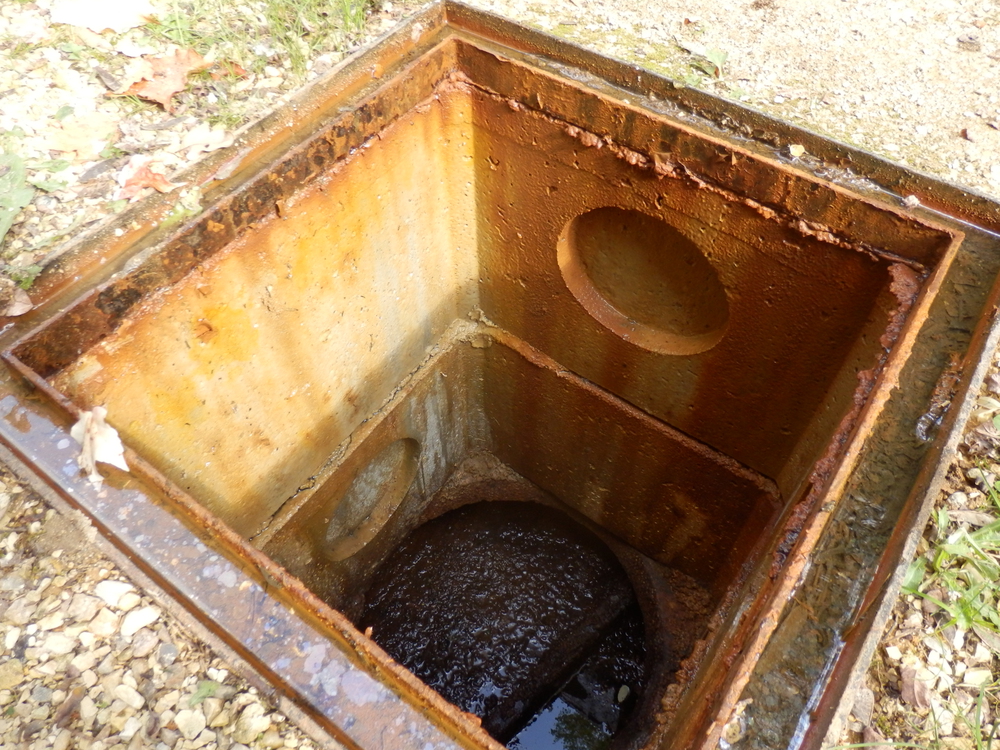
Understanding the various components of a septic system can help homeowners identify potential issues. Common repairs include addressing cracks or leaks in the septic tank to prevent contamination. Fixing damaged or clogged pipes is also important, as these can lead to backups. Additionally, restoring the functionality of the drain field through various repair techniques is often necessary. By being aware of these components, homeowners can better manage their septic systems and address issues as they arise.
The unique environmental conditions in Savannah can significantly impact septic system performance. Homeowners should be aware of these factors to mitigate risks.
Savannah’s coastal climate presents specific challenges for septic systems. High humidity can increase soil moisture, which affects drainage. Heavy rainfall increases the risk of flooding that can overwhelm septic systems, leading to backups and failures. Coastal erosion can impact the stability of drain fields, necessitating regular assessments. Understanding these environmental factors can help homeowners take proactive measures to protect their septic systems.
Homeowners in Savannah must adhere to local regulations and environmental guidelines regarding septic systems. It is important to familiarize yourself with local laws governing septic system installation and maintenance. Ensuring that all repairs and installations meet local standards helps avoid penalties. Non-compliance can lead to costly fines and potential health hazards, making it essential to stay informed. By understanding and following these regulations, homeowners can ensure their septic systems operate within legal and environmental guidelines.
Company Name: Gray Septic Solutions
Address: Savannah, GA 31405
Phone: 912-661-4089
Business Hours:
Mon - Sun: 24/7