Are your drains moving slowly, or do you smell sewage and worry your septic system might be failing? We know how stressful and disruptive backed-up drains and clogged tanks can be for your household. When things go wrong underground, you need clear answers without the guesswork. This post explains septic pumping, septic repair, and full system replacement. It covers essential components like drain fields, distribution boxes, and baffles to help you confidently weigh your options and choose the best long-term solution for your property in Georgia.
Sometimes, our nose notices trouble before we do. When wastewater treatment systems start acting up, the grass doesn’t lie—what we see or smell can point to septic tank inspection needs quicker than a plumber in rain boots.
We see slow drains or backups as a common sign that your septic tank needs attention. This often points to sediment buildup, root intrusion, or a full tank and can mean the system needs septic tank pumping, septic repair, or full replacement, and we weigh septic pumping vs repair in Savannah cases every week. We urge you to call for a septic tank inspection and professional help right away. As your local pumpers and installers, we offer drain cleaning, clog solutions, effluent filter checks, and leach field assessments to stop backups into your home.
Foul odors around our property often signal trouble with the septic system. These unpleasant smells can mean leaks or overflows in the tank, which is never good news. They might also come from a compromised drain field that needs urgent inspection.
Ignoring these odors could lead to bigger problems and significant repairs down the line.
If we notice persistent foul smells, it’s smart to act quickly. These scents may indicate non-compliance with local health regulations. In Georgia, Gray Septic Solutions specializes in tackling odor issues through effective tank maintenance.
Keeping our septic systems in check helps preserve environmental health and protects our homes from unpleasant surprises.
A clean home starts with a healthy septic system.
Pooling water near the drain field signals a problem with our septic system. This issue often arises when the septic tank fails to process wastewater efficiently. If we see excess water in this area, it could mean that our tank is overdue for pumping or there might be leaks somewhere in the system.
Ignoring pooling can lead to environmental contamination. We need to act quickly if we notice these signs. It’s best to call a professional like Gray Septic Solutions for emergency septic services before complications worsen.
Regular maintenance helps keep everything running smoothly and protects our property from potential damage later on.
Unusually lush grass over your septic area can signal trouble. We often notice that healthy, green grass grows more rapidly where the septic system lies beneath the surface. This excess growth may hint at effluent leakage or a failing sewage system. If you spot this vibrant patch of grass, it’s essential to act quickly. Excess nutrients from a malfunctioning system cause these green fields. They attract attention for all the wrong reasons and may lead to severe issues like contamination risks down the line. Our team can help you identify these issues during inspections. Understanding how your lawn behaves can guide you in maintaining your septic tanks effectively.
Septic pumping keeps your system running smoothly. We remove sludge and waste from the tank, making room for fresh effluent. Most homes need this service every three to five years. In Georgia, staying on top of this essential task is crucial. If you’re wondering about the details or how often you’ll need it, keep reading!
Pumping your septic tank removes accumulated sludge and solids. This process helps maintain the efficiency of your sewage systems. Regular pumping keeps everything flowing smoothly and prevents backups that can cause a mess in your home. Each pump-out is routine maintenance. Our certified team offers this service across Georgia, ensuring we protect groundwater quality too. We use specialized equipment to safely remove contents from the tank; it’s not just about clearing out waste, but also about caring for your entire plumbing system. Neglecting this practice can lead to significant repairs down the line, so let’s keep on top of it!
You need to consider several factors when determining how often you should pump your septic tanks. The size of the tank, the number of people in your household, and the age of the system all play a role. A smaller tank may require more frequent pumping than a larger one. According to experts, you should typically schedule septic tank pumping every three to five years. Consulting our local professionals helps you find out what’s best for your specific situation. Our certified pumpers can provide valuable advice tailored to Georgia’s soil and usage conditions. Skipping these recommendations may lead to bigger issues down the road, including significant repairs or even environmental hazards. Regular maintenance ensures that your sewage systems function smoothly and efficiently.
Septic pumping acts like a tune-up for your septic system. It keeps everything running smoothly, while repair fixes specific issues when they pop up. Both play vital roles in maintaining your systems, but understanding how each one works will help you make better decisions down the road.
Septic pumping plays a vital role in keeping our sewage systems running smoothly. Regular pump-outs help us avoid clogs and backups. These significant issues can disrupt our lives.
By removing solids from the tank, we extend its lifespan significantly.
We save resources in the long run with timely repairs and maintenance. Proper upkeep lowers the risk of needing a full system replacement later on. Efficient septic systems not only keep our homes functioning well but also protect our environment by complying with Georgia health regulations.
Let’s invest effort now to ensure a trouble-free future!
When your septic system struggles, you face a tough choice: repair it or replace the whole setup. We know that repairs can be less complex and quicker to handle, but full replacement often gives us peace of mind for years down the road.
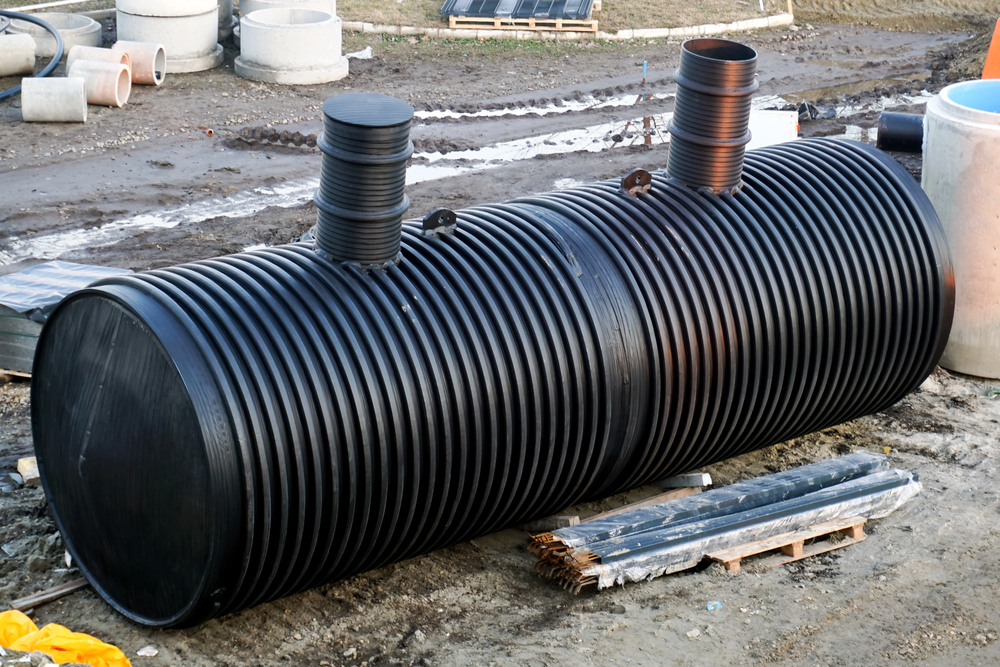
The scope of a septic repair involves fixing specific faults like leaks, clogs, or broken pipes. We target sections of the tank, lines, or baffles to restore function without removing the whole unit. You should choose a repair when the damage is localized and the tank is structurally sound. Mending isolated leaks can easily extend the service life of your system. On the other hand, a full replacement requires removing the old tank and installing a new one. This process might also include reconstructing the drain field to meet current local codes. A replacement becomes necessary when the tank is severely damaged or if repairs simply will not restore long-term function.
Regarding the required investment, repairs involve a lower upfront outlay limited to parts, labor, and small equipment. Most repairs are completed in a few hours or days with minimal disruption to your yard. We typically use a targeted crew and a pump truck for these immediate fixes. Replacements demand a much higher investment due to excavation, new piping, and extensive drain field work. Full system installations take days to weeks to finish. This longer timeline requires extra days for permitting, health department inspections, and coordinating larger installation crews.
The logistical planning and equipment needed for each option also differ greatly. Repairs sometimes need local permits for major pipe work and utilize diagnostic cameras alongside trained technicians carrying replacement parts. Replacements require standard excavation permits to meet modern compliance. For these large jobs, we bring in excavators, hauling trucks, and crews experienced in grading and soil management. Whether you need to repair a broken outlet tee in a single day or remove a collapsed tank entirely, we recommend relying on our experienced team to handle the job from start to finish.
Deciding between septic repair and full system replacement involves several factors. One major consideration is the age of our tank. If it shows visible damage or doesn’t comply with environmental regulations, we might need to think about replacement.
Corrosion, root intrusion, or sediment buildup can weaken systems over the years. At this point, rebuilding may be more efficient than updating a worn-out unit.
Another factor includes our needs for capacity and future use. If our household size has increased, a new unit might fit better than an outdated one. Regular maintenance helps us avoid significant repairs down the line.
Choosing between these options requires careful thought and attention to detail; it’s crucial to weigh both immediate outcomes against long-term benefits like improved efficiency and compliance with local rules and regulations in Georgia.
Regular septic maintenance keeps our systems running smoothly. It helps us avoid steep repairs and ensures our homes stay sanitary.
We can avoid expensive repairs and the need for a full septic system replacement by focusing on regular maintenance. Inspections, pumping, and prompt fixing of small problems keep our system running smoothly.
In Georgia, a simple pump-out can save us from bigger headaches down the road.
Taking care of our sewage systems prevents environmental contamination too. It protects both our property and local water sources. With licensed professionals handling routine checks, we ensure compliance with state regulations while extending the life of our septic systems in areas like Bremen or Carrollton.
Let’s not miss out on these benefits; taking action now benefits us later!
Proper maintenance keeps our septic systems running smoothly. Regular checks help prevent significant repairs and replacements down the road. By sticking to a routine schedule, we can avoid backups that ruin our day.
Efficient septic systems also protect groundwater from nitrogen contamination. This is crucial for Georgia’s environment. Following state technical manuals and operational standards ensures that we meet local health regulations.
We can find helpful resources like instructional videos about maintaining system efficiency online. Investing this effort pays off in the long run, making our lives easier and cleaner overall.
Septic systems need regular care. Pumping, repairs, or complete replacement can keep our homes running smoothly. Each option has its purpose and benefits. We must assess signs like slow drains or foul odors to choose wisely.
Staying proactive saves us from bigger headaches down the road. With Gray Septic Solutions on your side, we navigate these choices with ease in Georgia!
Company Name: Gray Septic Solutions
Address: Savannah, GA 31405
Phone: 912-661-4089
Business Hours:
Mon - Sun: 24/7