Understanding how your septic system operates is crucial for maintaining a healthy home environment. A septic system is a self-contained wastewater treatment system that is essential for homes not connected to municipal sewer systems.
Many homeowners face challenges with wastewater management, but understanding the mechanics of septic systems can help prevent costly repairs and ensure proper long-term function. This article will explore the key components of a septic system, maintenance practices, common problems, and how Gray Septic Solutions can assist homeowners in Coastal Georgia.
A septic system is an underground wastewater treatment structure that processes and disposes of household sewage. It’s particularly important for homes located in rural areas where municipal sewer systems are unavailable.
The system operates by treating wastewater primarily through physical and biological processes, reducing harmful pathogens and pollutants before the water is released back into the environment.
The treatment process begins when wastewater flows from the home into the septic tank. Inside the tank, solids settle to the bottom, forming sludge, while lighter materials, such as grease and oil, float to the surface, forming scum. The remaining liquid, known as effluent, is then discharged into the drain field, where it undergoes further treatment by soil microorganisms. This natural filtration process is essential for breaking down harmful bacteria and nutrients, ultimately protecting groundwater quality.
Septic systems offer several advantages over municipal sewer systems, particularly in rural areas. One primary benefit is cost-effectiveness. Installing a septic system can be less expensive than connecting to a municipal sewer line. Additionally, septic systems provide homeowners with independence from municipal sewer fees and potential sewer line issues. They also offer greater flexibility in property development, allowing homeowners to design their systems to fit their specific land conditions.
A septic system consists of several key components that work together to treat and dispose of wastewater effectively. Understanding these components is essential for homeowners to ensure proper maintenance and functionality.
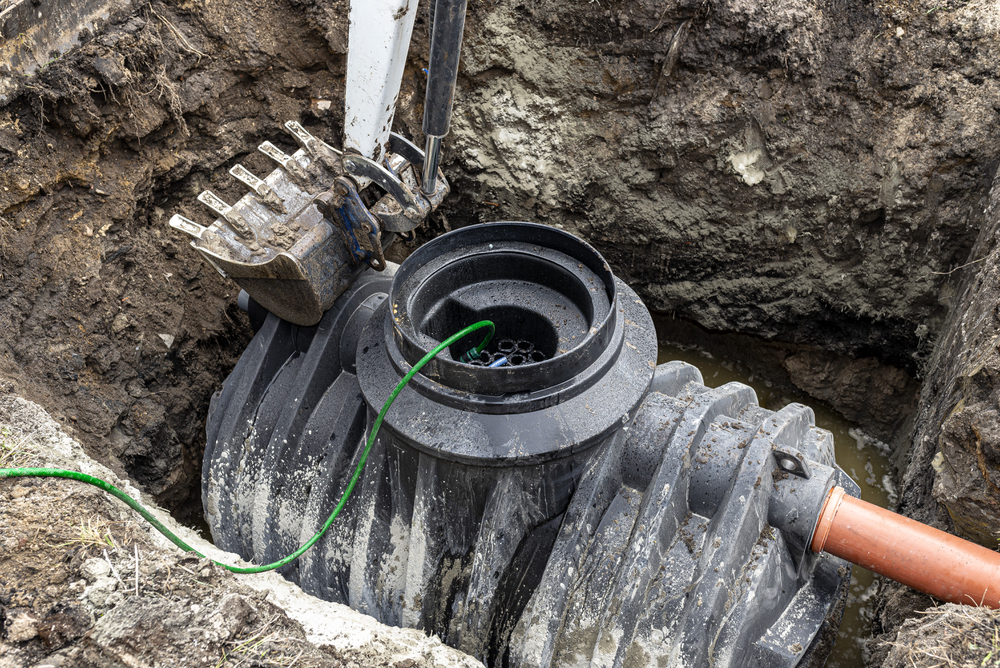
The septic tank is a watertight container, typically made of concrete, fiberglass, or plastic, that holds wastewater long enough for solids to settle and scum to rise. The tank’s design allows for anaerobic bacteria to break down organic matter, reducing the volume of solids. Regular tank pumping is necessary to remove accumulated sludge and scum, preventing system failure.
The drain field, also known as a leach field, is a crucial component of the septic system. It consists of a series of perforated pipes buried in gravel or sand, which evenly distribute effluent across the soil. As the effluent percolates through the soil, natural filtration occurs, where soil microorganisms further treat the wastewater by breaking down remaining contaminants before it reaches the groundwater.
The distribution box is a critical element that ensures even distribution of effluent to the drain field. It receives effluent from the septic tank and directs it to multiple drain field lines. This even distribution is vital for preventing overloading of any single line, which can lead to system failure and costly septic tank repairs.
Inlet and outlet pipes connect your home to the septic tank and carry wastewater through the system. The inlet pipe brings wastewater from your house into the tank, while the outlet pipe sends treated liquid to the drain field. Keeping these pipes properly installed and well-maintained helps prevent clogs, leaks, and backups that can disrupt your septic system.
Understanding how a septic system operates can help homeowners appreciate its complexity and importance.
When wastewater enters the septic tank, it undergoes initial separation. Heavy solids settle to the bottom, forming sludge, while lighter materials float to the top, creating scum. The liquid effluent remains in the middle, ready to be discharged into the drain field for further treatment.
Inside the septic tank, there is a separation of sludge, scum, and effluent. The anaerobic bacteria present in the tank break down organic matter, reducing the volume of sludge over time. This process is essential for maintaining the tank’s capacity and preventing overflow.
Bacteria play a vital role in the septic system by breaking down organic waste through anaerobic digestion. This biological process reduces the volume of solids in the tank and converts them into simpler compounds, which can be further treated by the soil in the drain field.
The efficiency of this process is crucial for the overall health of the septic system. While natural bacterial processes are key, the effectiveness of external aids, such as enzyme additives, in enhancing septic tank performance remains a subject of ongoing discussion.
Effluent is distributed to the drain field through the outlet pipe, which leads to the distribution box. From there, the effluent is evenly spread across the drain field’s perforated pipes, allowing for effective treatment by the soil. Proper distribution is essential to prevent saturation and ensure that the effluent is adequately filtered before reaching the groundwater.
Soil acts as a natural filter for effluent, removing harmful pathogens and nutrients through various physical and biological processes. The soil’s composition, including its texture and microbial activity, plays a significant role in determining how effectively it can treat wastewater.
Healthy soil is essential for maintaining the overall functionality of the septic system.
The effectiveness of this natural filtration depends heavily on the soil’s characteristics, particularly its ability to absorb and treat wastewater properly.
Regular maintenance is crucial for ensuring the longevity and efficiency of a septic system. Homeowners can take several proactive steps to care for their systems.
It’s generally recommended to pump your septic tank every three to five years, depending on the tank’s size and how many people live in your home. Regular pumping prevents the buildup of sludge and scum, which can lead to system failure and costly repairs. Neglecting this maintenance can result in backups and environmental contamination.
Adhering to regular maintenance schedules is also critical, as highlighted by various guidelines aimed at preventing system failures.
Implementing water conservation practices can significantly benefit your septic system. Simple measures such as fixing leaks, using water-efficient appliances, and spreading out laundry loads can reduce the amount of wastewater entering the system. This not only helps maintain the system’s efficiency but also prolongs its lifespan.
You should avoid flushing nonbiodegradable items, such as wipes, feminine hygiene products, and grease, as they can clog the system and cause backups. Additionally, excessive use of harsh chemicals can disrupt the natural bacterial processes that break down waste.
Regular professional septic tank inspections are vital for identifying potential issues before they escalate into costly repairs. A qualified septic service provider can assess the system’s condition, check for leaks, and ensure that all components are functioning correctly. Early detection of problems can save homeowners significant time and money.
Being aware of common septic system problems can help you take timely action to prevent serious issues.
Clogged pipes or a full septic tank often cause slow drains and backups. Tree roots, grease buildup, and nonbiodegradable items can obstruct wastewater flow, leading to slow drainage and potential backups into the home. Regular maintenance and inspections can help identify and resolve these issues.
Foul odors around the septic tank or drain field can indicate a problem with the system, such as a leak or a full tank. These odors are often a sign that the system is not functioning correctly and should be addressed immediately to prevent further complications.
Standing water and unusually lush green patches over the drain field can indicate that the system is failing. These signs suggest that effluent isn’t being adequately absorbed by the soil, potentially leading to environmental contamination.
Gray Septic Solutions is a locally owned, trusted, and licensed septic system service provider based in Savannah, GA, serving Coastal Georgia areas. We offer a range of services to help homeowners maintain their septic systems, including septic tank pumping, installation, and inspections. Our experienced team is dedicated to ensuring that your septic system operates efficiently and effectively.
We also know how the unique soil characteristics and local regulations in Coastal Georgia can significantly impact septic system installations and maintenance. Our team understands these local conditions and can provide tailored solutions that comply with regulations while ensuring optimal system performance.
Choosing Gray Septic Solutions means partnering with a company that prioritizes customer satisfaction and offers 24/7 emergency septic services in and around Savannah, GA. Our commitment to honest work and local expertise makes us a reliable choice for all your septic system needs. Contact us now to learn more about how we can help with your septic tank needs.
Company Name: Gray Septic Solutions
Address: Savannah, GA 31405
Phone:912-661-4089
Business Hours:
Mon - Sun: 24/7