A functioning septic system quietly treats household wastewater underground; when that balance breaks, problems escalate quickly into health hazards and costly repairs. This article shows homeowners how to recognize the most common septic failure symptoms—like slow drains, foul odors, pooling water, lush grass over a leach field, sewage backups, and alarm activations—and why early detection matters. You will learn what each sign typically means, quick homeowner checks you can do safely, and immediate steps to reduce damage while you arrange professional help. The guide maps observable signs to likely causes and practical prevention steps including pumping frequency, water-use changes, and items never to flush. Later sections explain emergency actions to take when sewage appears inside the home or an alarm sounds, outline the risks of delay, and describe how local pros handle urgent repairsin Savannah and Coastal Georgia. Read on for clear diagnostic cues, short actionable checklists, and service-linked next steps so you don’t wait for a full backup to get help.
A failing septic system shows predictable, observable signals when treatment and distribution are compromised: plumbing symptoms, odors, and yard changes indicate different components are stressed or blocked. These signs arise because solids or excess water prevent proper settling in the tank or cause effluent to surface in the drain field, producing both mechanical and environmental symptoms. Identifying these signs early lets you take targeted actions—reduce water use, avoid certain plumbing habits, and call for inspection—so small fixes prevent large replacements. The following short list highlights the top visible and plumbing indicators homeowners should watch for and can use as a quick diagnostic checklist before a technician arrives.
The top signs of a failing septic system include slow drains in multiple fixtures (when more than one drain is slow, the septic system is likely involved rather than a single clogged pipe); gurgling or bubbling pipes (air movement from trapped gas or partial blockages causes gurgling noises in drains and toilets); foul sewage odors indoors or outdoors (persistent rotten-egg or sewage smells suggest venting issues, leaks, or an overfull tank); pooling water or soggy ground over the system (standing water near the tank or drain field can indicate surfacing effluent or a saturated leach field); lush, unusually green grass over the drain field (nutrient-rich effluent can make vegetation over a failing field greener and faster-growing); and toilets or floor drains backing up (any sewage coming into the houseis an emergency and signals system blockage or overload).
Slow drains and gurgling pipes occur when the septic system cannot accept or move wastewater at the normal rate, which may be caused by a clogged outlet, a saturated drain field, or solids escaping the tank. If only one fixture is slow, the issue is usually a local clog; if multiple fixtures are slow or toilets back up when washing machines run, the septic system is a likely culprit. Gurgling sounds arise as air displaces trapped water in drains because of pressure changes from partial blockages or failing venting; these noises often accompany multi-fixture slowdowns. After noting whether the problem affects a single fixture or many, stop water use, avoid chemical drain cleaners, and document symptoms and times to share with a technician—this helps narrow diagnosis and speeds emergency response.
Foul septic odors—sulfurous, rotten-egg, or raw sewage—signal different failure modes depending on where they appear: indoor smells often point to vent or sewer-line issues, while outdoor septic smells near the tank or drain field suggest leaks or tank overflows. Persistent outdoor odors commonly mean effluent is surfacing or a breach in the distribution system, whereas intermittent indoor smells may indicate trapped gases due to dry traps or blocked venting. Ventilate indoor spaces, avoid direct contact with suspicious liquids, and note odor location and timing; these observations guide whether the issue is a localized plumbing problem or a system-level failure. Quick documentation of odor patterns prepares you to communicate effectively with an emergency septic professional and speeds corrective action.
Pooling water and unusually lush turf are external clues that effluent is reaching the soil surface or the drain field is no longer accepting wastewater at design rates. In a functioning system, treated effluent disperses evenly through the leach field and is absorbed without surfacing; when the soil becomes saturated or pipes clog, liquids follow the path of least resistance and appear as soggy patches or puddles. These surface signs carry contamination risk to family members and pets, and they accelerate structural damage to the drain field if left unaddressed. When you see wet areas or nutrient-driven vegetation changes, take immediate precautions: keep people and animals away, avoid driving or parking over the site, and prepare to provide on-site details to a septic technician.
Before contacting a pro, perform a quick visual and sensory check: note exact pooling locations, smell for sewage odors, and test soil sogginess by stepping at the margin of the wet area. Avoid digging or probing the moist soil with bare hands; instead photograph the affected area and mark its perimeter for the technician. These observations help determine whether the issue likely originates from the tank (overflow), distribution box, or a failing drain field. The next section explains why immediate attention to pooling near the tank is especially important and what short-term safety steps to take.
Pooling water near the septic tank often indicates overflow, a cracked tank, or a blocked drain field that prevents effluent dispersal, and it increases the risk of groundwater contamination and pathogen exposure. Standing sewage-laden water can carry harmful bacteria and viruses, posing hazards to children, pets, and anyone working on the yard; it also signals that the system is actively failing and damage is progressing. Short-term homeowner actions include cordoning off the area, stopping water use inside the house, and avoiding contact with the pooled water while arranging an inspection. Rapid mitigation reduces further harm to the drain field and lowers the likelihood of needing a full field replacement, which is a far costlier repair path.
Sewage backups manifest as toilets rising and overflowing, floor drains ejecting sewage, or multiple fixtures backing up simultaneously—particularly when backups occur during or right after appliance use like laundry cycles. Single-fixture overflows tend to indicate a localized clog, but when two or more drains back up at once, it strongly suggests a system-level backup or a blocked mainline leaving the house. Avoid flushing toilets repeatedly, keep children and pets away from affected areas, and isolate contaminated rooms; use protective gloves if handling clean-up is necessary before professionals arrive. Record which fixtures were affected and when, since that chronology helps technicians locate the failure point and determine if a pump or tank issue is responsible.
A septic alarm typically signals a high-water condition, pump failure, or float switch malfunction in the pump chamber and should never be ignored because it precedes overflow and backups. First, immediately conserve water by turning off nonessential fixtures and appliances; next, locate the alarm panel, silence audible alerts per the manufacturer instructions if safe, and note any indicator lights or messages. Do not attempt complex repairs on electrical components; instead, provide the alarm details to an emergency septic technician, including whether the alarm is steady or intermittent and whether any recent work or weather events preceded it. Rapid professional response often prevents indoor backups and minimizes the need for heavier structural repairs to the tank or drain field.
Septic warning signs arise from a few repeatable causes: lack of regular pumping leads to solids migration, excessive water overloads hydraulic capacity, and improper disposals clog the system—while tree roots and aging components contribute to physical failures. These root causes create predictable failure modes, and addressing them through scheduled maintenance and behavioral changes is the most cost-effective prevention. Modern guidance recommends tailored pumping intervals, water-conservation measures, and a strict do-not-flush list; implementing these steps preserves drain field function and extends system life. The following prevention checklist distills practical, high-impact actions homeowners can deploy immediately to reduce failure risk: schedule routine septic tank pumping based on household size and tank volume to prevent sludge and scum from entering the drain field; conserve water and spread heavy-use activities to avoid hydraulic overload (e.g., space laundry loads over the week); never flush non-biodegradable items such as wipes, feminine hygiene products, or grease, which accelerate clogs; protect the drain field by avoiding vehicle traffic, heavy construction, or planting deep-rooted trees nearby; and arrange regular inspections to catch small leaks, failing floats, or beginning distribution problems before they surface. Different causes manifest in specific ways and require distinct preventive steps.
When a tank goes too long without pumping, solids accumulate as sludge and scum layers thicken, reducing the clear water zone and increasing the chance that solids will escape into the outlet. Once solids clog the distribution pipes or soil pores, effluent no longer percolates evenly, causing surface pooling, odors, and system backups; at that point the drain field may be irreparably damaged. Recommended pumping frequency depends on tank size, household usage, and whether a garbage disposal is used; many households fall into a 3–5 year window, though high-use homes require more frequent service. Early pumping prevents much larger repairs and is the single most effective maintenance action homeowners can schedule to avoid leakage and drain field replacement.
Excessive water use creates hydraulic overload, which shortens retention time in the tank and forces partially treated wastewater into the drain field before solids can settle, reducing soil treatment efficiency. Single-event overloads—like multiple full-load laundry cycles in one day—or chronic leaks produce the same outcome: saturated soils that fail to treat effluent properly and promote surfacing. Practical mitigation includes repairing leaks promptly, installing water-efficient appliances, and staggering heavy-use tasks; these measures restore proper retention times and reduce stress on the soil absorption system. When overload is suspected, homeowners should limit water use immediately and call for inspection to determine whether pumping or temporary bypass measures are needed.
Septic failures release pathogens and nutrients that can contaminate drinking water wells and surface waters, increasing the risk of gastrointestinal illness, nitrate exposure for infants, and ecological damage to aquatic systems. Vulnerable populations—children, the elderly, and immunocompromised individuals—face higher risk from direct contact or ingestion of contaminated water. Environmental consequences include algal blooms and habitat degradation in nearby waterways due to nutrient loading. Homeowners should test well water if septic problems occur and work with licensed technicians to remediate sources of contamination promptly to reduce long-term health and ecological impacts.
Gray Septic Solutions is a locally owned, licensed, and insured septic contractor serving Savannah and Coastal Georgia with 24/7 emergency septic services, offering fast local response and owner-operated accountability. When homeowners face alarms, backups, or pooling effluent, Gray Septic Solutions provides on-site triage, diagnosis, emergency mitigation, and repair recommendations with transparent estimates. Our local expertise includes understanding sandy Coastal Georgia soils and regional permitting considerations that affect repair options, which helps determine whether pumping, pump replacement, or targeted drain-field repair is the right immediate action. Read on for the types of emergency services offered and what information to prepare before scheduling a free inspection and estimate.
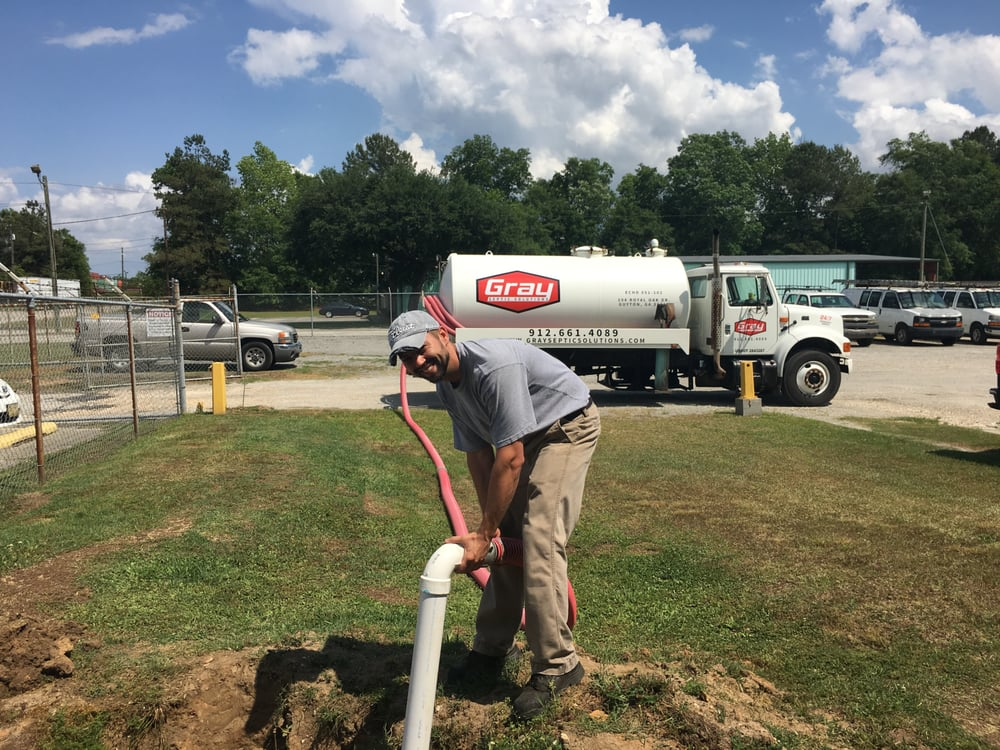
Gray Septic Solutions responds to 24/7 emergency calls with on-site triage, rapid pumping to alleviate backups, pump and electrical diagnostics, and targeted repair solutions that prioritize minimizing contamination and restoring service. Their local experience in Savannah and Coastal Georgia allows technicians to assess how sandy soils and local regulations affect repair time and methods, enabling more accurate on-site estimates and realistic mitigation plans. When calling for emergency service, be prepared to describe symptoms (alarm behavior, locations of pooling, which fixtures back up) and any recent events like heavy rains or increased household water use. This information expedites triage, permits the team to bring appropriate tools, and reduces time to temporary mitigation or repair.
Company Name: Gray Septic Solutions
Address: Savannah, GA 31405
Phone:912-661-4089
Business Hours:
Mon - Sun: 24/7